


Sennheiser Spectera Base Station


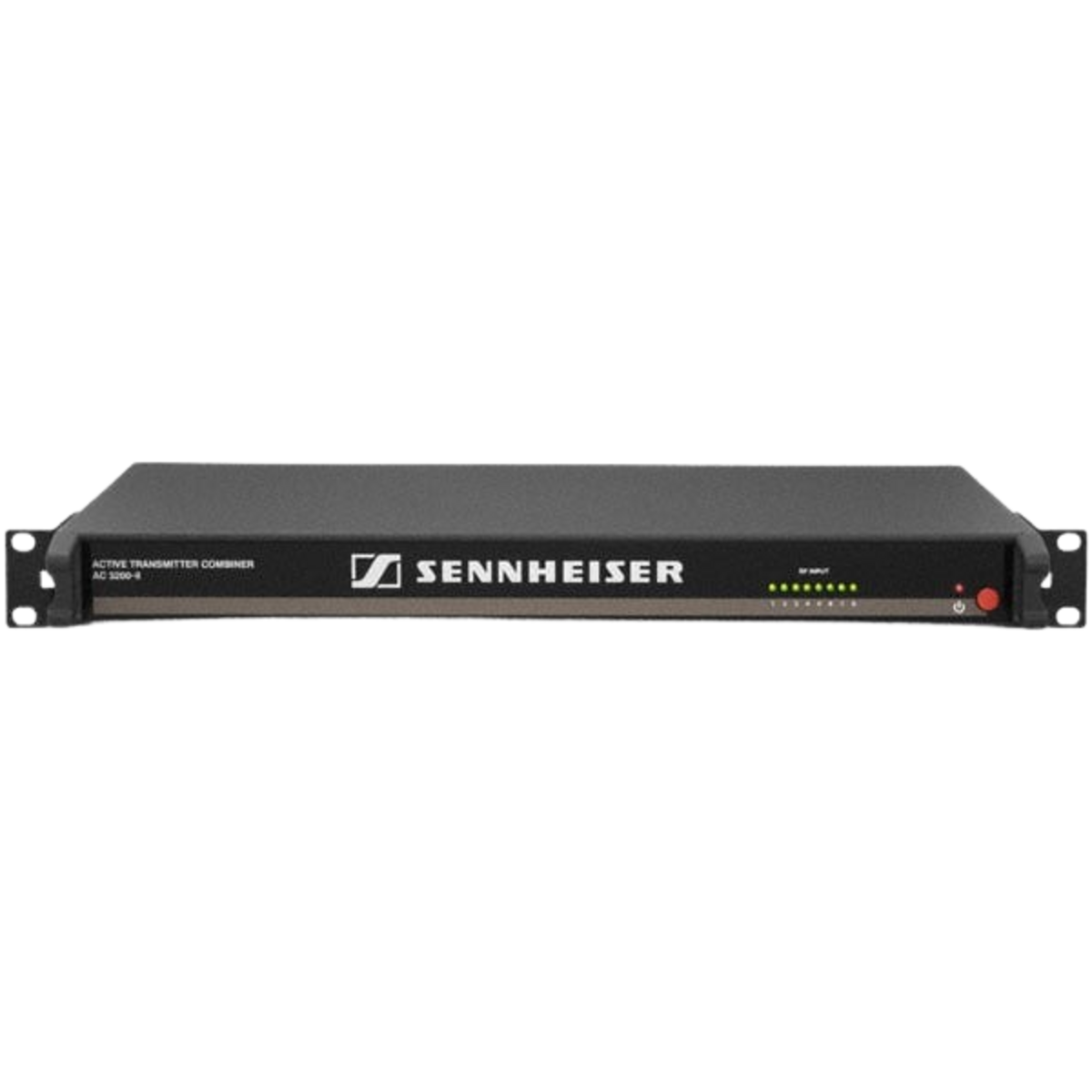
The Spectera Base Station is the heart of Sennheiser's Spectera bidirectional wideband ecosystem, a 19-inch 1U unit that handles up to 64 channels, 32 in and 32 out, from a single rack space. It carries that audio over up to two independent wideband RF carriers in the UHF or 1G4 band (6 or 8 MHz, region-license dependent), a departure from the one-frequency-per-channel model of conventional wireless.
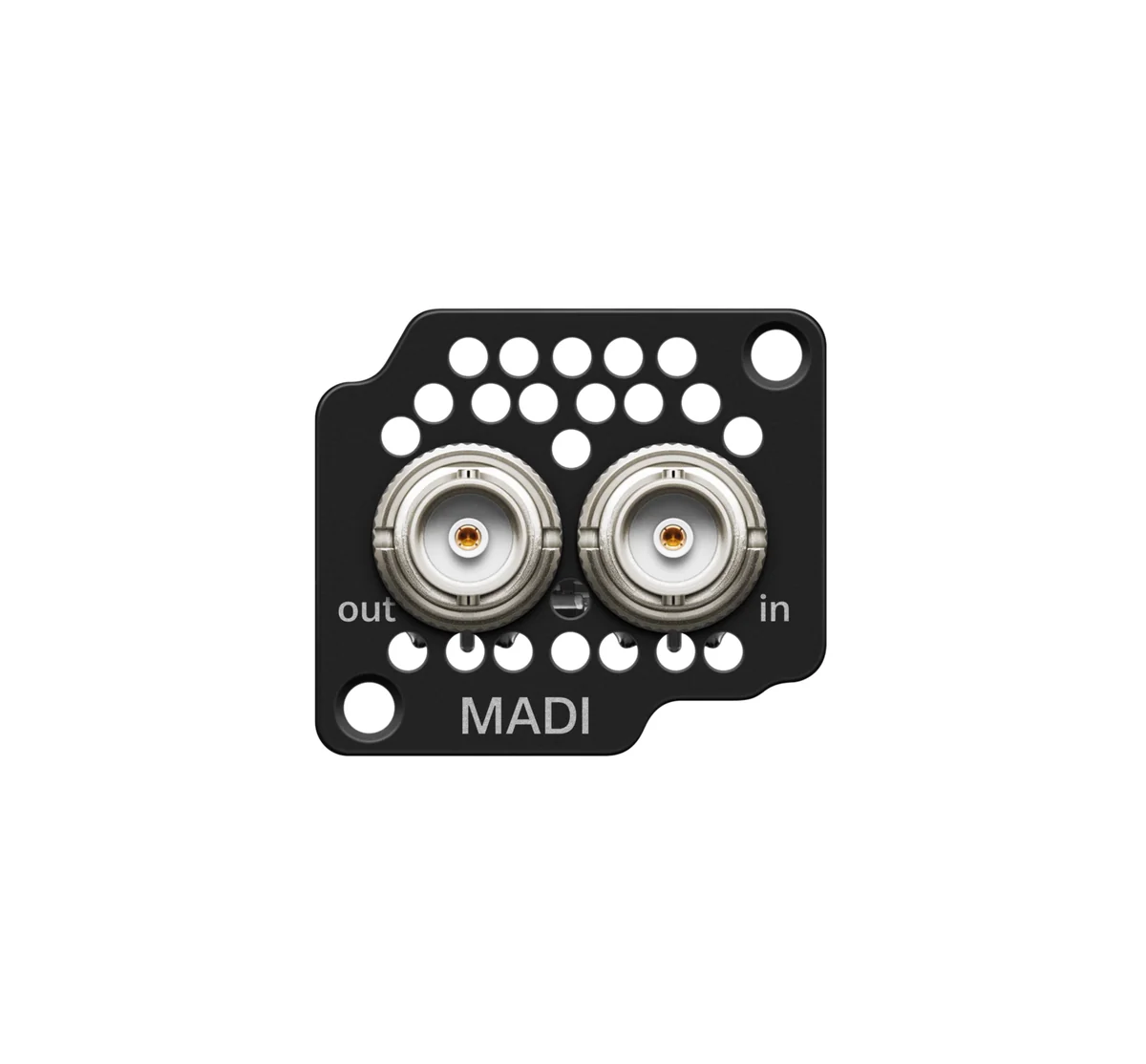
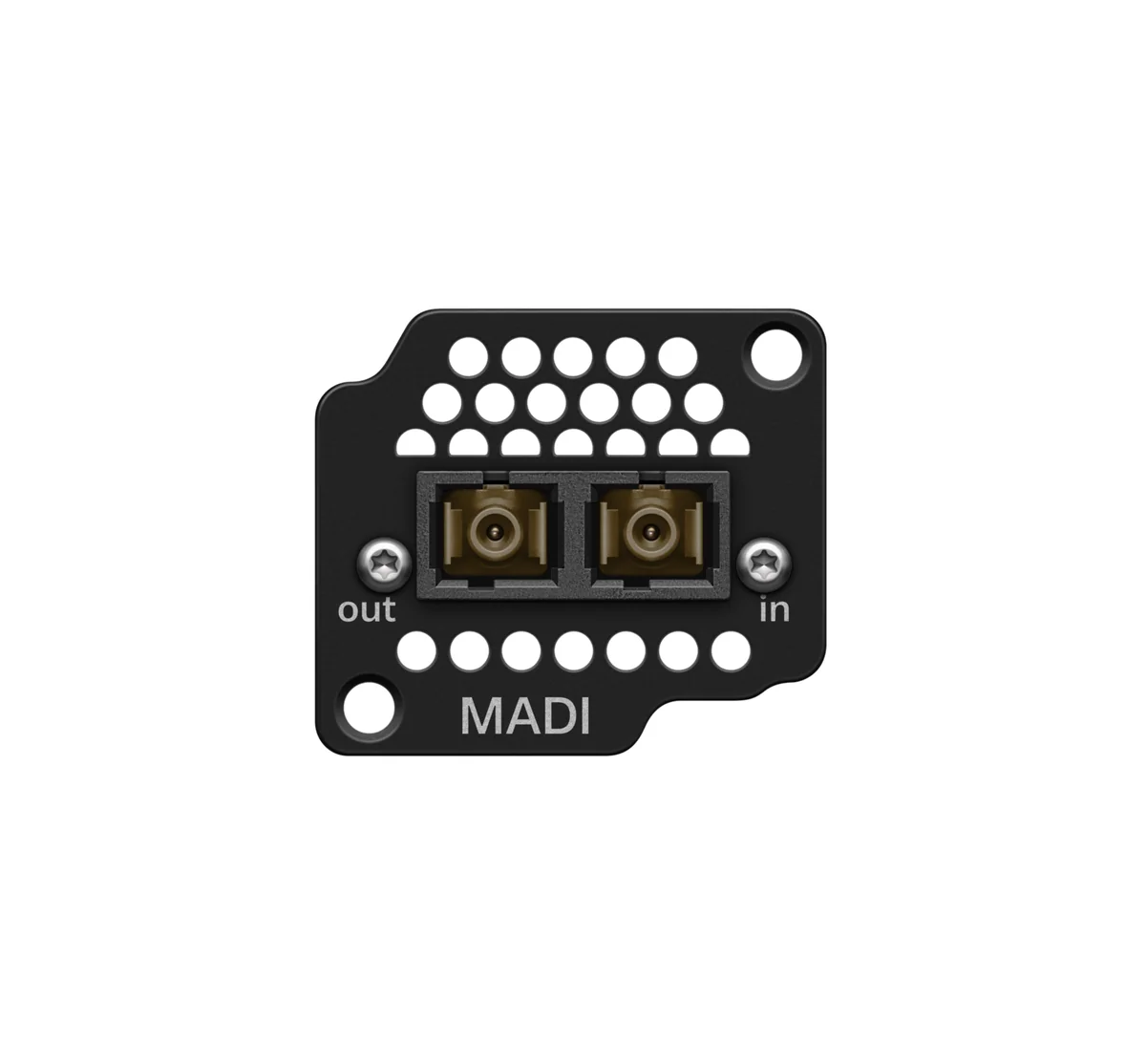
Built for broadcast and large-scale live production, it runs redundant power supplies, a redundant Dante interface, and two optional slots for redundant MADI (optical or BNC), with four Ethernet antenna ports for coverage and spectrum redundancy. It supports 48 and 96 kHz sample rates with individual sample rate converters, offers 11 Audio Link modes with selectable OPUS, SeDAC, or PCM codecs, and requires a free per-zone license that should be ordered with each Base Station.
- Dimensions (H × W × D with mounting elements)44 × 483 × 373 mm (1.73" x 19.02" x 14.69")
- RF channels2
- Audio inputs and outputsInput: up to 32 channels; Output: up to 32 channels
- Digital audio interfaces: Dante®Ethernet, 1 Gbit/s
- Headphone output6.3 mm TRS jack, 2 × 50 mW RMS (32 Ω, -40 dB THD, 1 kHz)
| Transmission Scheme | Multicarrier, TDMA, TDD |
|---|---|
| RF Channel | Bandwidth: 6 or 8 MHz countrywise limited; Mobiles devices: up to 128 per RF channel; Audio links: up to 128 per RF channel |
| Radio Frequency Range | UHF: 470 - 608 MHz, 630 - 698 MHz; 1G4: 1350 - 1400 MHz, 1435 - 1525 MHz; countrywise limited |
| Audio Frequency Response | 20 Hz to 20,000 Hz (±1 dB) (Audio link modes with audio codecs SeDAC and PCM only) |
| Encryption | AES 256 CTR Mode exp. >10k years |
| RF Channels | 2 |
| Audio Inputs and Outputs | Input: up to 32 channels; Output: up to 32 channels; individually selectable from digital audio interfaces |
| Digital Audio interfaces: Dante® | Ethernet, 1 Gbit/s; 2× ruggedized RJ45 (Primary and Secondary); 32 In, 32 Out, 48 kHz or 96 kHz, 16/24/32 bit |
| Digital Audio interfaces: MADI (AES10) | 2× Expansion Slots for MADI Card OM (optical fiber multimode) or MADI Card BNC (separate accessories); 32 In, 32 Out, 48 kHz or 96 kHz, 16/24 bit |
| Digital Audio Interfaces | Individual sample rate for each interface |
| Headphone Output | 6.3 mm TRS jack, 2 × 50 mW RMS (32 Ω, -40 dB THD, 1 kHz) |
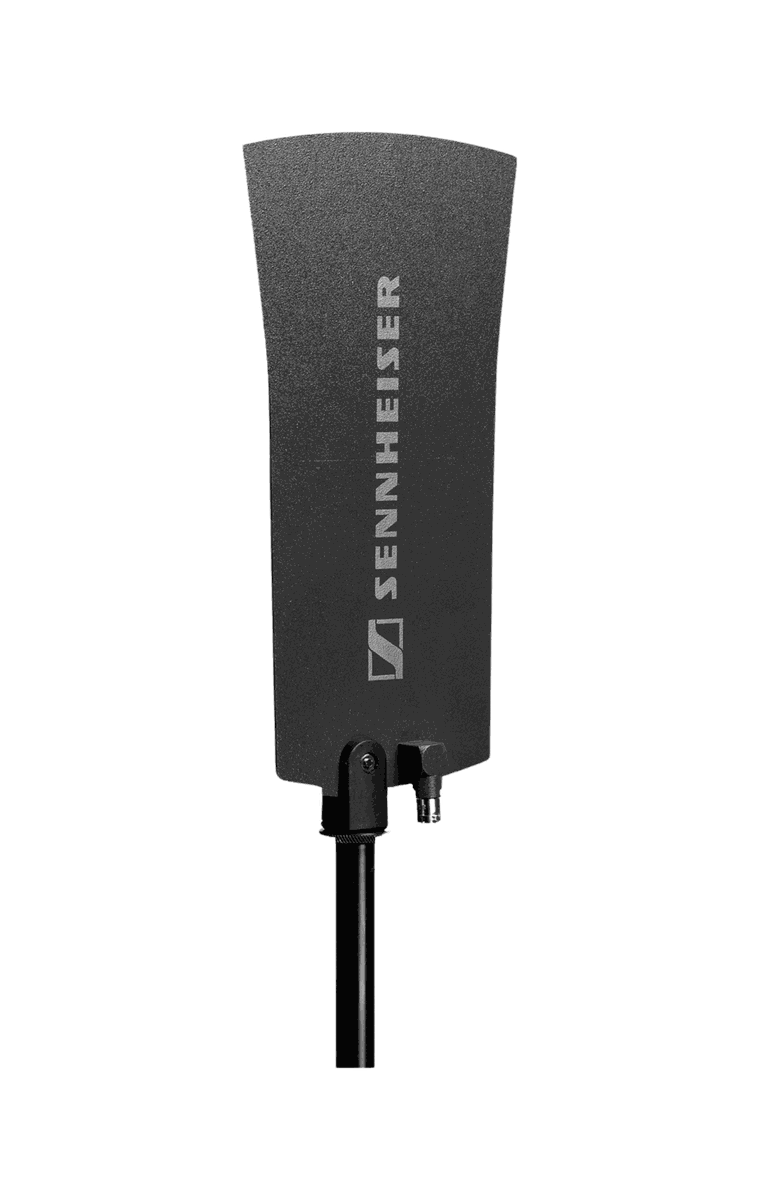
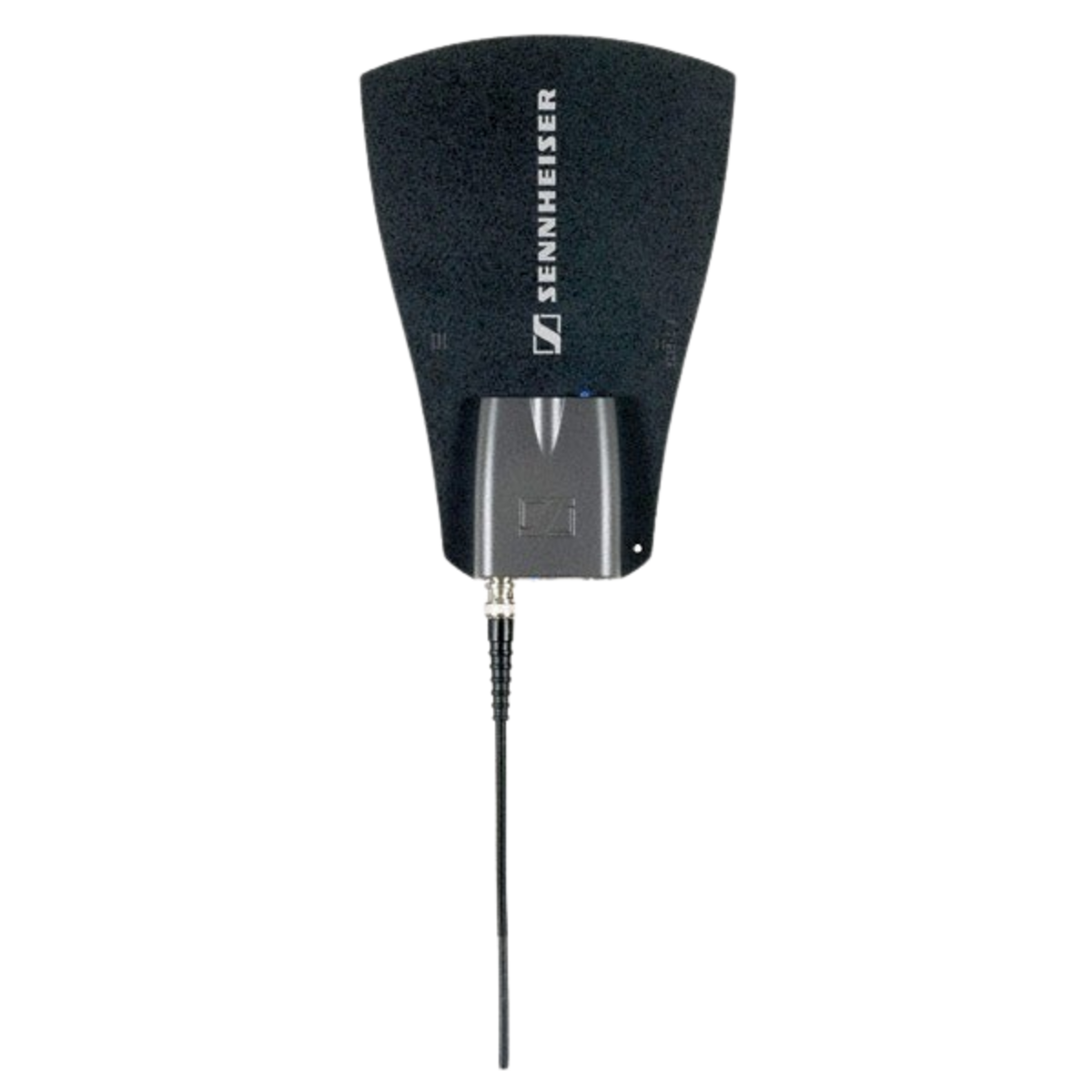
| Antenna Connections | 4 × ruggedized RJ45, supply for up to 4 DAD UHF/1G4 |
| Antenna Cable | Category 5e or higher, S/UTP (maximum 100 m) |
| Word Clock | Input: BNC, 75 Ω; Output: BNC, 75 Ω; Sampling rates: 48 kHz, 96 kHz |
| Control | Ethernet, 1 Gbit/s, ruggedized RJ45 |
| Cascade in / Out | 2 × SFP+ cages (to be equipped with 10 Gbit/s modules); software update with cascade port function required (future release) |
| Power Supply | 2 × internal redundant, 100 to 240 V AC, 50/60 Hz |
| Power Consumption | 70 W |
| Power Plug | 3-pin, protection class I as per IEC/EN 60320-1 |
| Dimensions (H × W × D with mounting elements) | 44 × 483 × 373 mm (1.73" x 19.02" x 14.69") |
| Weight | Approx. 6.3 kg (13.89 lbs) (without accessories) |
| Temperature | Operation: -10 °C to +50 °C (14 °F to 122 °F); Storage: -25 °C to +70 °C (-13 °F to 158 °F) |
| Relative Humidity | 25 % to 95 % (non-condensing) |
| Dripping and Splashing Liquids | The product must not be exposed to dripping and splashing liquids (IP2X) |
| Source | Spec sheet (PDF) on sennheiser.com |